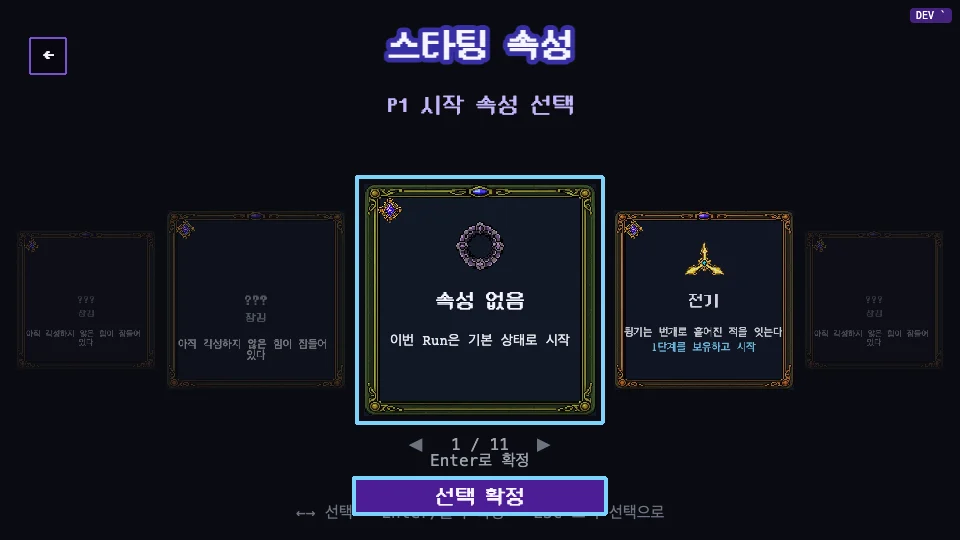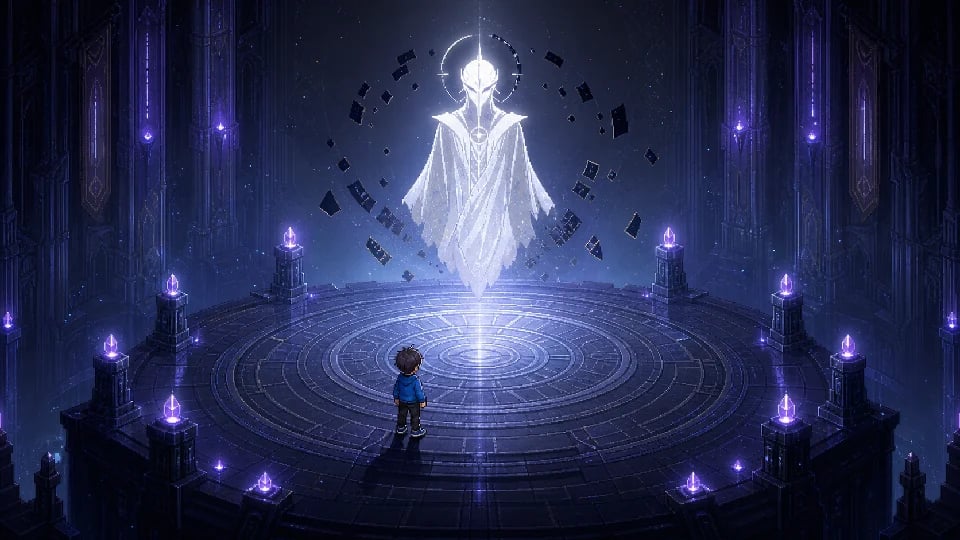
From interface concept to playable system
The game only became real when every rule survived contact with a player.
I moved from screens to state machines, progression curves, data structures, and event logic. Each mechanic was evaluated by the decisions it created.
The Gate now connects combat, travel, encounters, bosses, and rewards across three-city runs in a larger network of eight cities.
The bottleneck moved from play to production
Once the game loop worked, making the game better required safer ways to produce and revise its content.
A solo production can create visual candidates, maps, and balance changes quickly, but each change still has to survive runtime constraints. Direct edits made iteration fragile: an asset could break its visual contract, related map data could drift, and a preview could differ from the playable build.
Art Lab and Map Lab began as answers to those production problems. They were not separate product ideas; they were infrastructure for making The Gate well.
Art Lab: making visual iteration safe to ship
Generating an image was only the beginning of integrating a reliable game asset.
Art Lab organizes immutable originals, working revisions, sprite dimensions, animation frames, visual anchors, preview modes, explicit approval, and separately authorized repository replacement.
The tool turned asset iteration into a visible production pipeline, so experimentation could stay fast without putting a working game at risk.